
The Temple of the Goddess
A bastion of faith where divine authority and hidden conspiracies intertwine.

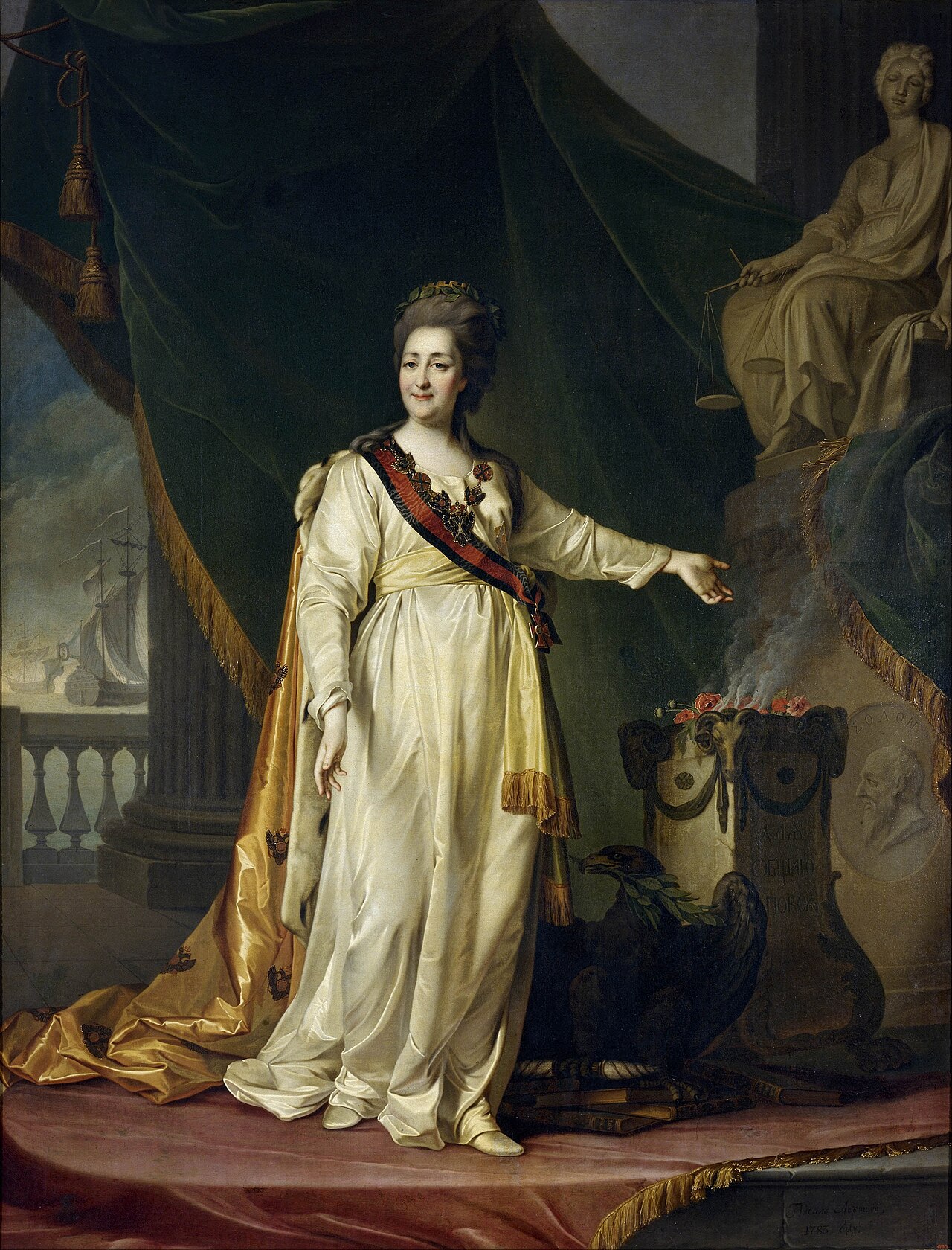
Dmitry Levitzky · Public domain
The Church of the Goddess maintains its primary headquarters in the capital city of Midgar, serving as the central institution for the world's dominant religion. While the Church oversees numerous temples across the continent, no single site is canonically designated as 'The Temple of the Goddess' or located in a serene valley. The Church's role in the narrative revolves around its political power, its connection to the Cult of Diablos, and its use of artifacts like the Eye of the Goddess, rather than a specific sanctuary with a protective light barrier.
- Location
- Capital city of Midgar (primary headquarters)
- Affiliation
- The Church of the Goddess
- Significance
- Central religious institution, politically and magically influential through artifacts and clergy
- Key Figures
- High Priestesses, Church officials, and members of the Cult of Diablos (secretly)
- Status
- Active religious organization
Lore & Background
The Church of the Goddess is a powerful institution that blends faith with political maneuvering. Its headquarters in Midgar is a hub for clergy and devotees, but the Church's true influence extends through its control of ancient artifacts and its covert ties to the Cult of Diablos. The goddess is not explicitly credited with creating the world in canon; instead, the series focuses on the Church's role in a world plagued by monsters and the machinations of shadow organizations. Beneath the surface of piety lies a web of hidden agendas, as various factions vie for control over the Church's resources and spiritual authority.
In Their Own Story
The morning mist clung to the marble steps of the Temple of the Goddess, muffling the sound of approaching footsteps. A young initiate knelt before the great altar, her voice trembling as she recited the ancient hymns. Unseen in the shadows of a towering pillar, a figure watched with detached amusement. To him, the temple was just another stage for his grand delusions, yet he respected the genuine faith that kept the common people from despair. As the sun broke through the clouds, illuminating the golden statues, the figure vanished into the dark, leaving only the echo of a silent laugh.
Reader's Guide
The Temple of the Goddess is the central hub for the world's dominant religion, serving as both a place of worship and a political center. It plays a crucial role in the story by housing key characters who interact with the protagonist's shadow organization, often unknowingly becoming pawns or allies in their grand schemes. Its importance lies in its ability to unite people through faith while simultaneously masking the deeper truths about the world's magic and history from the general populace.
Did You Know?
- The Church of the Goddess is deeply intertwined with the Cult of Diablos, with many high-ranking officials secretly serving the cult's agenda.
- The Eye of the Goddess is a key artifact used by the Church, not a literal light barrier from an altar.
- Cid Kagenou (Shadow) has minimal direct interaction with the Church, and no recurring association with a specific temple.
- The Church's main headquarters is in the capital city of Midgar, not in a 'Sacred Valley'.
Origins and Etymological Evolution
The divine identity of Lakshmi is deeply rooted in the linguistic and spiritual evolution of ancient Sanskrit. Her primary name derives from roots meaning 'to perceive' or 'goal,' symbolizing the imperative to understand one's objectives. While she appears only once in the Rigveda as a sign of auspicious fortune, her conceptual counterpart, Shri, pervades Vedic literature over 130 times, representing general prosperity and glory. Over centuries, these distinct terms merged conceptually, though later texts began distinguishing them: 'Shri' often denoting broad auspiciousness and sovereignty, while 'Lakshmi' became more specifically associated with material wealth. This evolution reflects her transition from an abstract personification of high rank in pre-Buddhist times to a fully realized goddess by the late Vedic period. The development was solidified in texts like the Shri Suktam, where she emerged as a distinct deity. Her adaptability is further evidenced in Tamil traditions, where she is known as Ilakkumi or Tiru, demonstrating her seamless integration across diverse linguistic landscapes while maintaining her core essence as the embodiment of fortune and abundance.
Theological Roles and Sectarian Significance
Lakshmi occupies a central position within the Hindu pantheon, forming one-third of the Tridevi alongside Parvati and Sarasvati. Her theological importance surged during the late epic period, particularly around 400 CE, when she became inextricably linked as the consort of Vishnu. In this capacity, she exemplifies the ideal Hindu wife through unwavering loyalty, accompanying her husband on every earthly descent as avatars like Sita and Radha. Within Vaishnavism, she is revered not merely as a spouse but as the divine energy or Shakti that empowers Vishnu to create, protect, and transform the universe. This role is paramount in Sri Vaishnavism, where devotion to her is considered essential for accessing the supreme being. Conversely, in the goddess-oriented tradition of Shaktism, she represents the prosperity aspect of the supreme feminine power. Her manifestations extend to the Ashtalakshmi, eight forms symbolizing distinct sources of wealth, highlighting her multifaceted nature as both a supportive consort and an independent source of cosmic abundance.
Iconography and Symbolic Representation
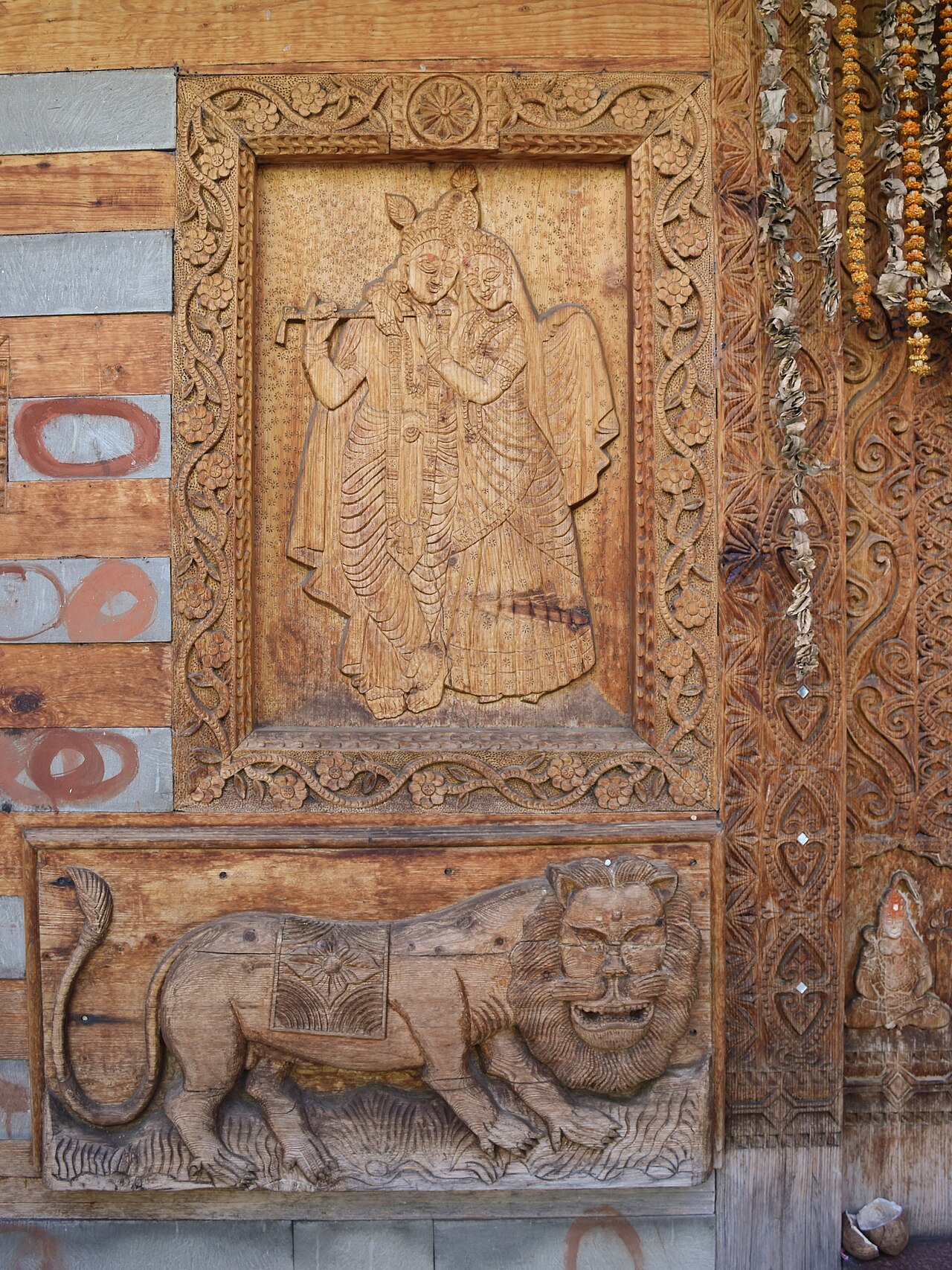
In Indian art, Lakshmi is consistently depicted as a golden-hued woman radiating elegance and prosperity. She is typically shown standing or seated in the padmasana position upon a lotus throne, holding a lotus flower that symbolizes fortune, self-knowledge, and spiritual liberation. Her iconography frequently features four hands, representing the four fundamental goals of human life: dharma (righteousness), kama (desire), artha (wealth), and moksha (liberation). A defining feature of her imagery is the presence of two elephants pouring water over her in Gaja-Lakshmi depictions, a motif symbolizing fertility and royal authority. However, historical variations exist; sculptures and coins from the Gupta period uniquely associate lions with her rather than elephants. Her numerous epithets, such as Padmavati (born from a lotus) or Narayani (belonging to Narayana), further enrich her visual narrative, connecting her physical representation to deeper spiritual attributes like beauty, purity, and divine connection.
Historical Reach and Cultural Celebrations
Archaeological evidence, including ancient coinage and statues discovered across Southeast Asia from the second half of the first millennium CE, attests to Lakshmi's widespread reverence long before modern times. Her worship dates back to at least the first millennium BCE, indicating a deep historical continuity that spans continents. Culturally, she remains one of the most widely worshipped deities, honored during significant festivals such as Deepavali and Sharad Purnima, also known as Kojagiri Purnima. The Lakshmi Puja performed during Navaratri is a central ritual where devotees seek her blessings for wealth and prosperity. Her presence in Hindu temples throughout Southeast Asia underscores her role not just as a regional deity but as a pan-Asian spiritual figure. This enduring legacy is further preserved through ancient Stotrams and Sutras, such as the Lakshmi Sahasranama, which recite her thousand names and praise her as Mahadevi, the great goddess who rules the universe.
Gallery

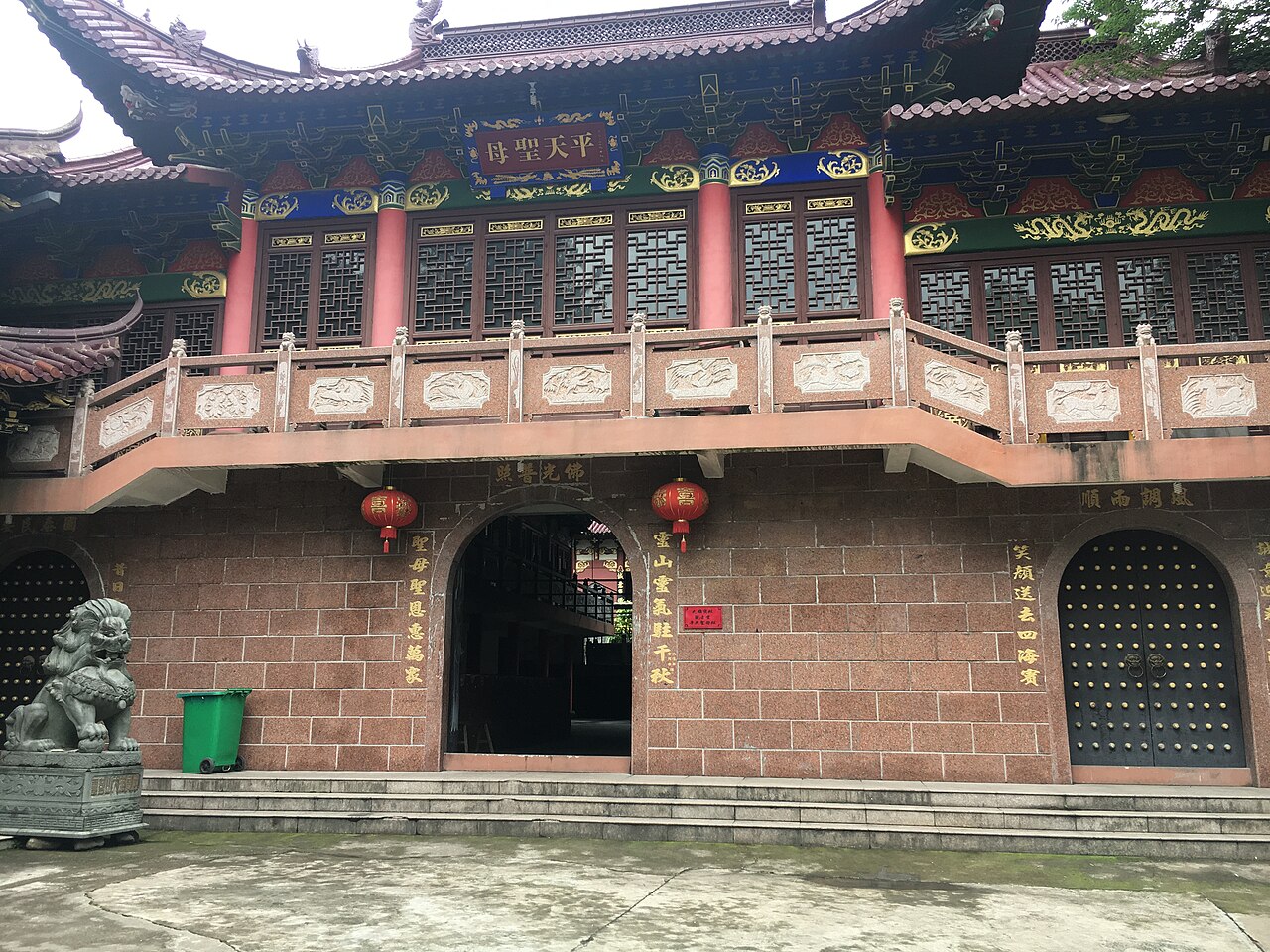
Frequently Asked Questions
What is the Temple of the Goddess?
It is a majestic sanctuary located in the Sacred Valley, serving as the primary worship site for the Church of the Goddess. This location acts as a spiritual beacon where devotees seek divine guidance from the deity believed to have created the world.
Who are the key figures associated with the Temple?
The temple is led by High Priestesses and staffed by dedicated devotees who maintain its daily rituals and operations. Occasionally, the protagonist Cid Kagenou, known as Shadow, visits or interacts with this location due to his shadow organization's activities.
What role does the Temple play in the story?
It serves as a critical intersection where public faith, magical influence, and the covert operations of shadow organizations collide. The temple often becomes a focal point for major plot developments regarding the balance between light and darkness.
Is the Temple of the Goddess still active?
Yes, it remains an active sanctuary that continues to function as a central hub for the world's main religion throughout the narrative. Its status as a place of refuge ensures its ongoing importance in both spiritual and political spheres.
Why is this location significant to fans?
Fans value the temple because it represents the core conflict between established religious order and Cid's hidden manipulation of events. It highlights how divine faith can be subtly influenced by the machinations of those operating from the shadows.
More in World & Setting
Elsewhere in the The Eminence in Shadow universe
Spotted an error? Know more?
This is a living reference — every entry is fact-audited, and reader corrections feed straight into our audit queue. Suggest an edit · See this site's audit record